

5. The Tag (or the Decision to Go Tagless)
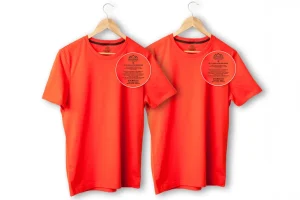
While tags may seem annoying, they contain essential information such as fabric composition and washing instructions. However, because tags can scratch or irritate the skin, many brands now print labels directly onto the fabric or use soft, tear-away tags.
The presence or absence of a tag is a design choice balancing practical needs with comfort.
6. The Elastic Edging
Elastic edges are engineered to be firm enough to keep the garment in place but soft enough to avoid cutting into the skin. Some are lined with silicone strips for anti-slip performance in shapewear. Even the thickness of the elastic band can change how underwear fits and feels.
7. Lace and Sheer Panels
While often seen as decorative, lace and mesh have hidden functions:
- Breathability: They allow airflow better than thick fabric
- Flexibility: They stretch and adapt to body movement
- Fit: Styles like cheeky or bikini cuts rely on soft lace to contour naturally
- Pretty doesn’t mean impractical—these materials often improve comfort.
Conclusion
Women’s underwear is full of thoughtful details that blend practicality, comfort, and aesthetics. From the tiny bow that once helped women dress in the dark to the cotton gusset that protects intimate health, every element has a purpose. Next time you shop for underwear, you might see these small features in a whole new light—and appreciate the surprising engineering behind something worn every day.
