
5. A Way to Protect Personal Autonomy
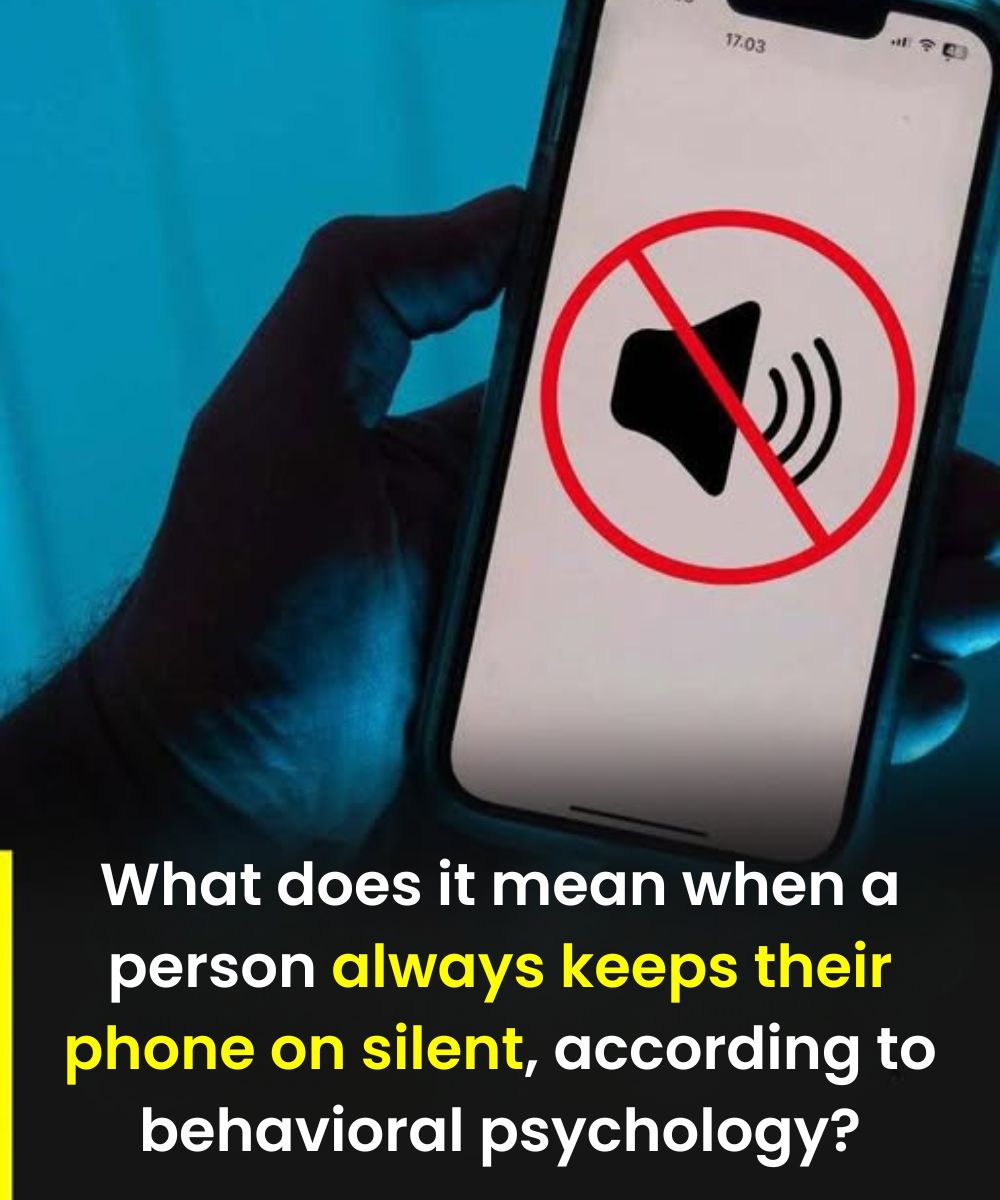
For certain individuals, keeping the phone silent is a quiet message:
“My time isn’t always available.”
It becomes a method of setting healthy boundaries in a world where constant connectivity often erases the line between personal and professional life.
6. Sometimes an Unconscious Response
Not everyone makes this choice deliberately.
Research on digital habits reveals a phenomenon called “notification anxiety.”
The constant anticipation of a message or call can create tension; silencing the device offers psychological relief, even if the person isn’t fully aware of it.
7. A Habit With Both Positive and Negative Sides
The meaning of silent mode depends heavily on personality and context:
For some, it symbolizes calmness, independence, and emotional balance.
For others, it may point to avoidance, stress, or discomfort with real-time communication.
8. When Is It Healthy—and When Is It a Red Flag?

Experts recommend looking at how the habit affects your everyday functioning.
Healthy: if it reduces stress, helps with focus, and maintains emotional stability.
Concerning: if it isolates you, harms relationships, or interferes with responsibilities, it may signal deeper emotional conflict.
Conclusion: A Small Habit, Big Psychological Meaning
Keeping your phone on silent is more than a simple tech preference.
From a psychological standpoint, it’s a behavior rich with meaning—reflecting how each person manages digital communication, relates to their environment, and understands their own emotional needs.
