
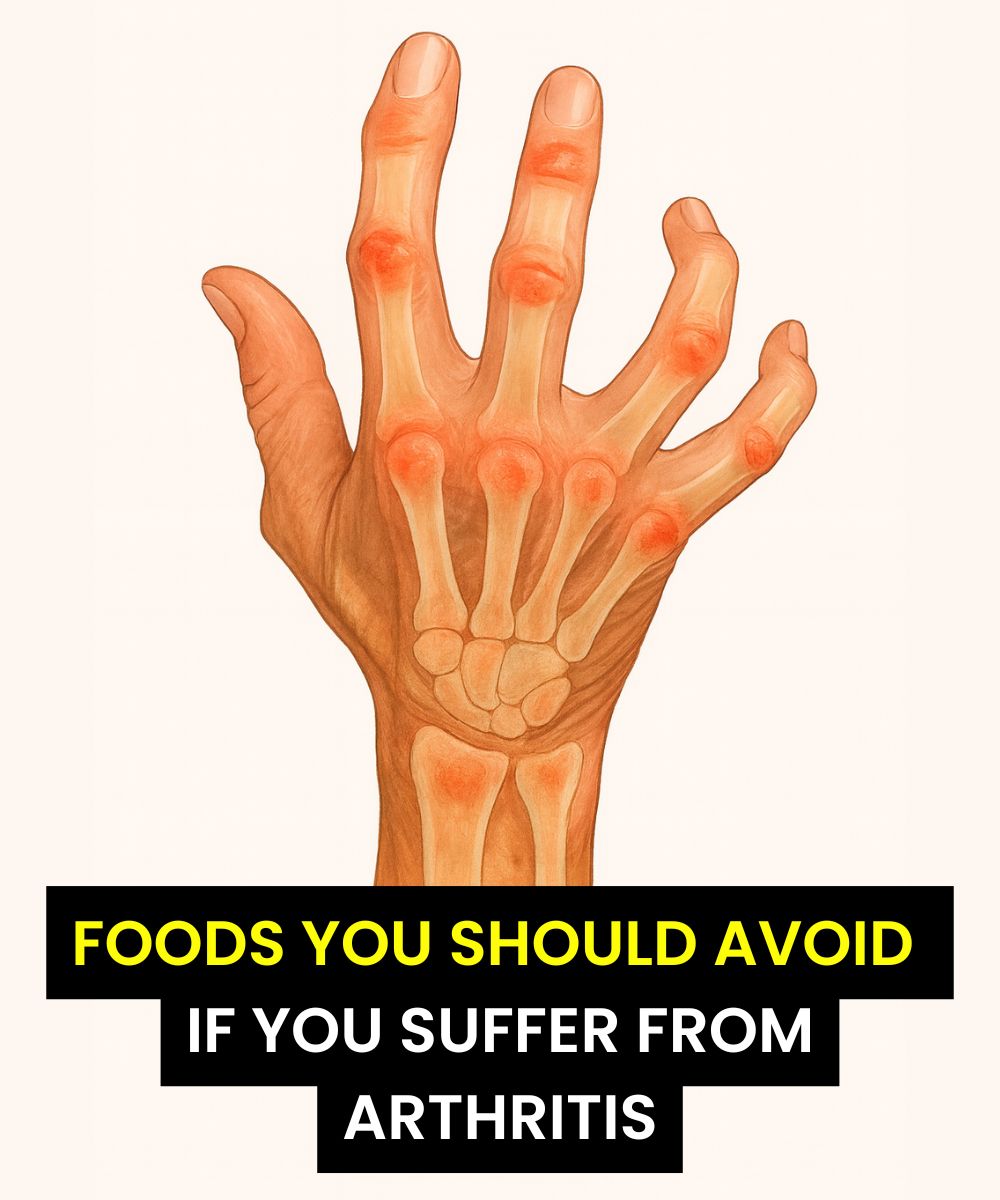
Although arthritis has no permanent cure, extensive research shows that diet plays a major role in reducing flare-ups and managing daily symptoms. Cutting back on certain foods can be the difference between constant discomfort and living a more active, healthier life.
What is arthritis and how does it impact the body?
The most common forms of arthritis
There are over 100 types of arthritis, but the ones seen most frequently include:
- Osteoarthritis: gradual breakdown of cartilage with age.
- Rheumatoid arthritis: an autoimmune condition that attacks the joints.
- Psoriatic arthritis: linked to psoriasis.
- Gout: results from high levels of uric acid.
Key symptoms
- Joint pain
- Swelling and redness
- Stiffness, particularly after waking up
- Reduced range of motion
Risk factors
- Aging
- Excess body weight
- Family history
- Past joint injuries
- Poor dietary habits
The role of inflammation in arthritis
How food contributes to inflammation
Inflammation is a normal defense mechanism, but when it becomes chronic, it harms tissues and joints. What we eat can either fuel or calm inflammation.
Common inflammatory foods
- Refined sugars
- Saturated and trans fats
- High-sodium foods
- Excess alcohol
Foods to limit or avoid if you have arthritis

Refined sugar and processed carbs
Sweets, pastries, and white bread spike blood sugar and promote inflammation.
Trans fats and refined oils
Typically found in fast food, fried items, and packaged products, these fats worsen inflammation and encourage weight gain.
Red and processed meats
Their saturated fats and chemical additives can intensify pain and swelling.
Full-fat dairy and aged cheeses
Some people notice more stiffness after eating dairy due to proteins that may irritate inflamed joints.
Alcohol and sugary drinks
Alcohol may interact with medications and aggravate inflammation, while soft drinks loaded with sugar have the same effect.
Excess salt and ultra-processed foods
High sodium causes fluid retention, adding extra pressure on already sensitive joints.
Foods that may help ease symptoms
Next Page
